

Modern cities contain thousands of residential communities where residents live, work, and consume essential services every day. However, most of this economic activity is fragmented across many disconnected platforms, suppliers, and service providers.
The Modo Community Economy Model organizes this daily demand into structured community ecosystems where residents, businesses, and service providers can interact more efficiently.
By connecting communities through the Modo platform, everyday economic activities such as food, services, household needs, and professional support can be coordinated within a trusted network.
This creates a community-driven economy where value circulates within the ecosystem rather than being dispersed across unrelated platforms.
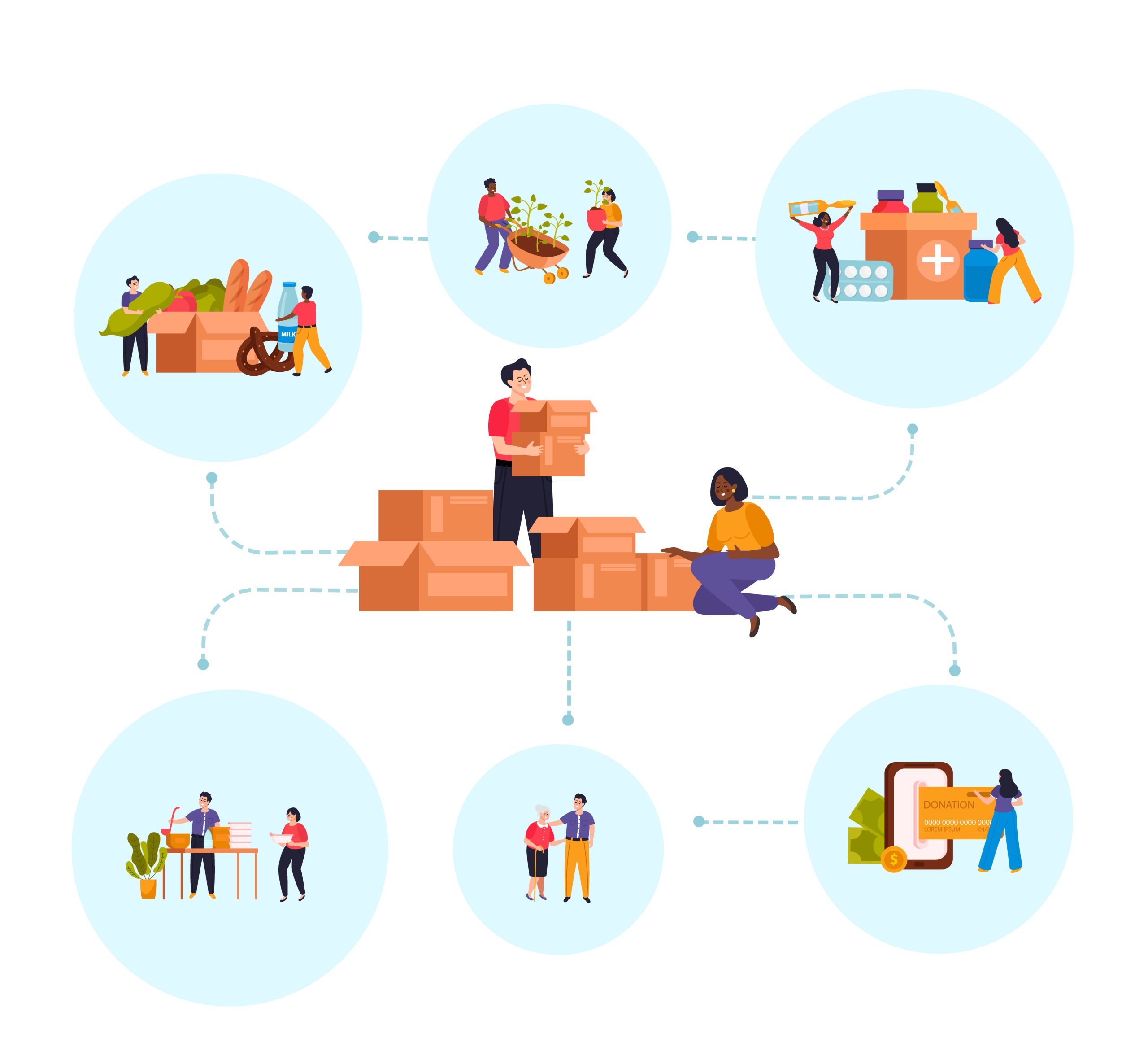
Examples include:
- Groceries and daily essentials
- Food and meal services
- Home maintenance and repair
- Wellness and lifestyle services
- Education and professional services
Individually, these demands appear small and scattered.
But when organized across communities, they form a powerful demand network.
Modo aggregates this demand through the platform, allowing service providers and businesses to serve communities more efficiently.
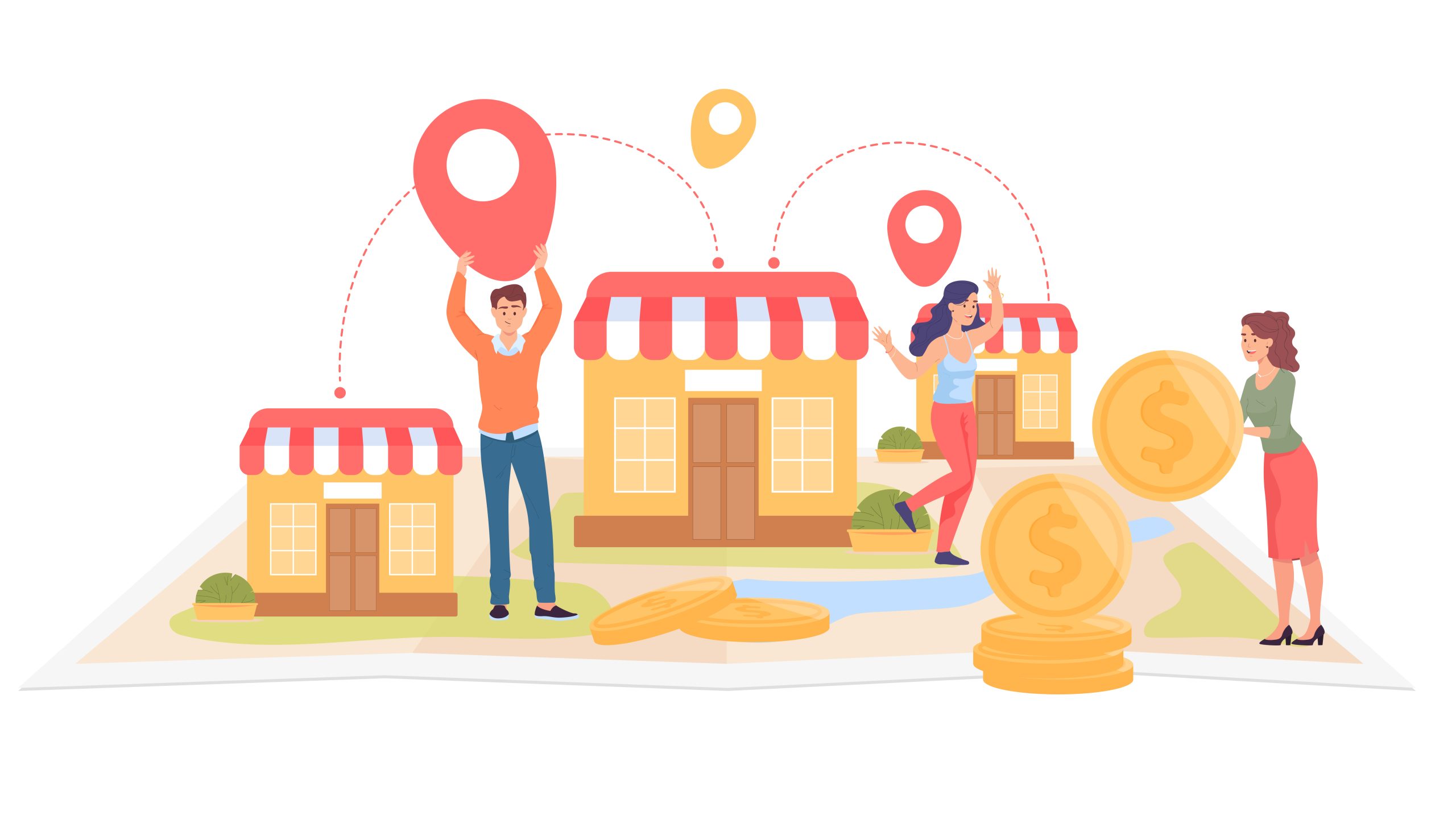
Instead of spending heavily on advertising or competing on large platforms, businesses can connect directly with communities that require their services.
Benefits for businesses include:
- Organized community demand
- Reduced marketing costs
- Trusted platform visibility
- Recurring customer relationships
This allows small businesses and service providers to grow within community ecosystems.
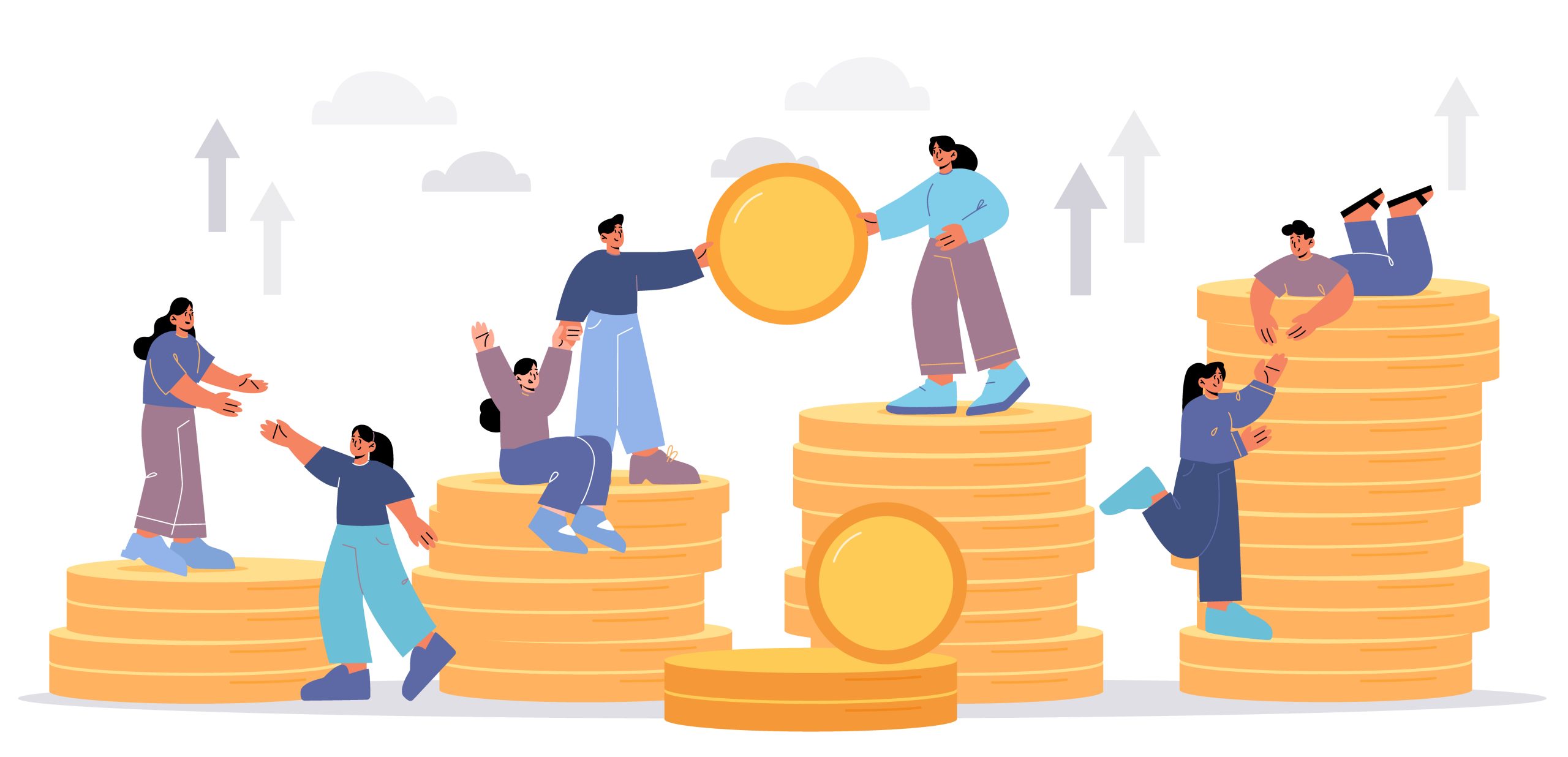
Residents gain convenient access to services and products.
Businesses gain direct access to community demand.
Service providers gain opportunities to serve trusted networks.
As these interactions increase, economic activity becomes more efficient, transparent, and sustainable within the ecosystem.
This circulation of value strengthens both the community and the businesses that support it.

- Residents
Generate demand for services, products, and opportunities. - Local Businesses
Provide goods and products to the community. - Service Providers
Deliver professional and lifestyle services. - Community Leaders
Help organize and grow the ecosystem within cities and regions.
Together, these participants form the foundation of the Modo Community Economy.